

Sensory Overload in Autistic Children: Signs, Triggers and Calming Strategies for Parents
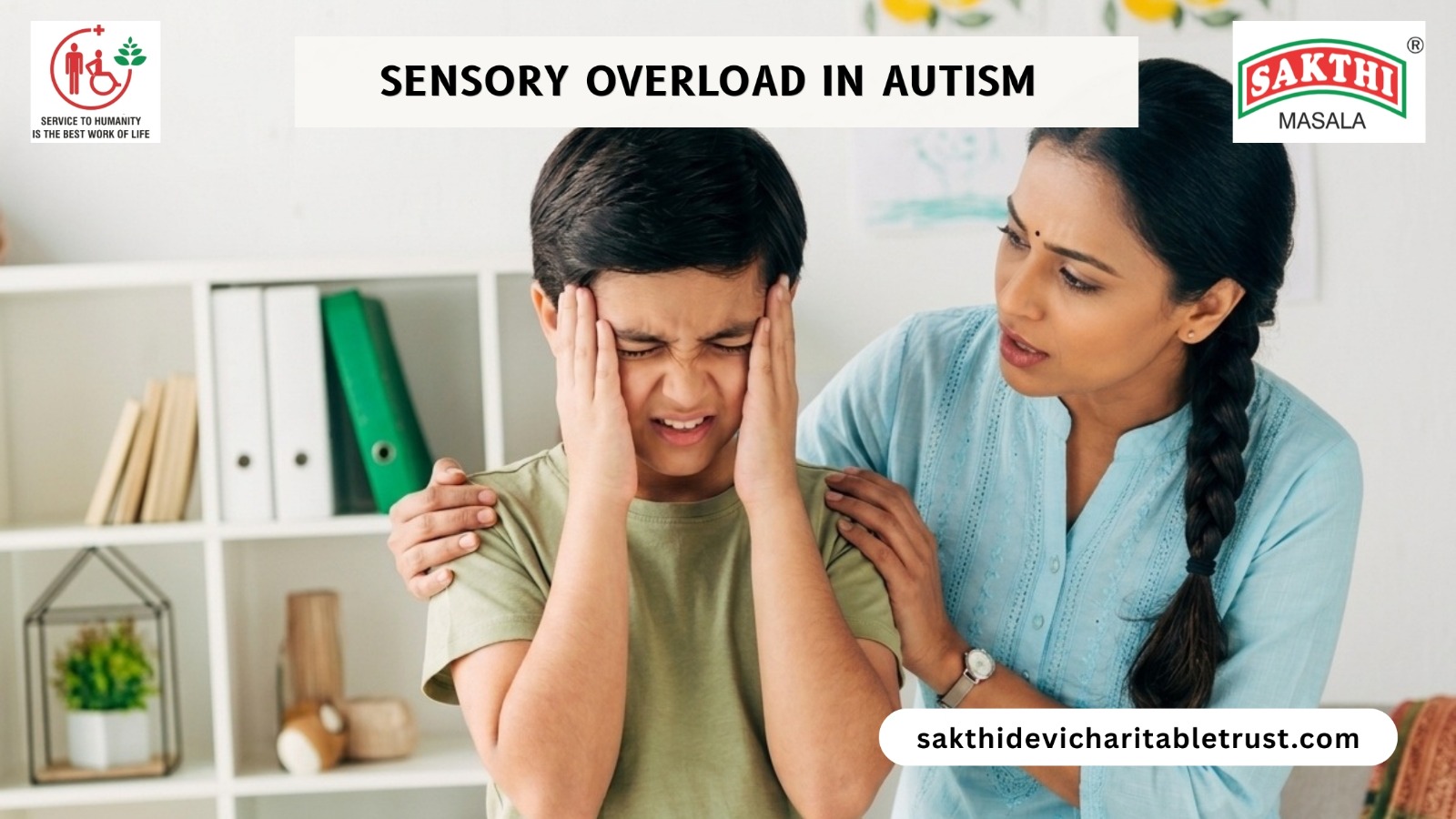
Parents often see tears, shouting or sudden shutdowns in public and think it is “bad behaviour,” but for many children this is actually sensory overload in autism. When the brain gets too much sound, light, touch or movement, it can feel painful or scary, especially for autistic kids who already have sensitive senses. Understanding this helps you respond with care instead of anger and gives you tools to protect your child in schools, shops and crowded functions in and around Erode.
What is sensory overload in autistic children?
In simple words, sensory overload in autistic children happens when their senses receive more input than they can handle at that moment. This might be from:
- Loud speakers, traffic or school bells
- Bright tube lights or LED boards
- Crowded buses, markets or functions
The child’s brain cannot filter all this, so they react with meltdown or shutdown, not because they want attention, but because they feel overwhelmed.
Autism sensory overload signs and triggers
Parents should gently watch for autism sensory overload signs and triggers instead of waiting for a big meltdown.
Common signs:
- Covering ears, closing eyes, hiding behind someone
- Sudden crying, shouting or running away
- Going silent, “zoning out,” avoiding eye contact
Typical triggers:
- Noise: mics, drums, crackers, classroom chatter
- Light: harsh tube lights, flicker from fans
- Touch: tight uniforms, labels, crowding in lines
When you know these triggers, you can plan your day, timing and routes to protect your child better.

Simple calming strategies parents can use
You cannot remove every trigger, but you can soften the effect of sensory overload in autism with small, practical steps.
Try:
- Prepare ahead: Use simple words or pictures to show where you are going.
- Protect the senses: Carry ear defenders, cap, sunglasses, soft scarf.
- Pause and step out: Find a quiet corner or veranda when your child looks tense.
- Provide comfort: Deep pressure hugs (if they like it), slow rocking, favourite toy or fidget.
These actions show your child that you see their struggle and that you are on their side.
Creating safer spaces at home and school
You can also reduce autism sensory overload signs and triggers by changing the environment.
At home:
- Use warm, softer lights instead of harsh white tubes.
- Keep one calm corner with cushions, simple colours and a few favourite items.
- Lower TV volume and avoid multiple loud sounds at the same time.
At school:
- Ask for a seat away from speakers, doors and windows.
- Request short quiet breaks after long, noisy periods.
- Work with teachers so they recognise early sensory overload in autistic children and allow movement or a drink break before a meltdown.
These are small changes but they protect your child’s energy and confidence.
You are not alone: support from Sakthidevi Charitable Trust
If you live in or around Erode and feel your child is often affected by sensory overload in autism, remember you do not have to manage everything on your own. Sakthidevi Charitable Trust’s special schools, autism school, early-intervention centre and rehabilitation services are designed to support children who struggle with noise, light, touch and routines, using structured therapies, play and parent guidance.
Their trained team understands sensory overload in autistic children and helps families build calmer routines at home and in school. To learn how their services can support your child’s sensory needs, you can visit or contact Sakthidevi Charitable Trust and take the next step toward a more peaceful everyday life.

 ADDRESS
  Phone Number
 EMAIL ID
Leave a Reply