

What Is Stimming in Autism? Causes, Examples and When Parents Should Worry
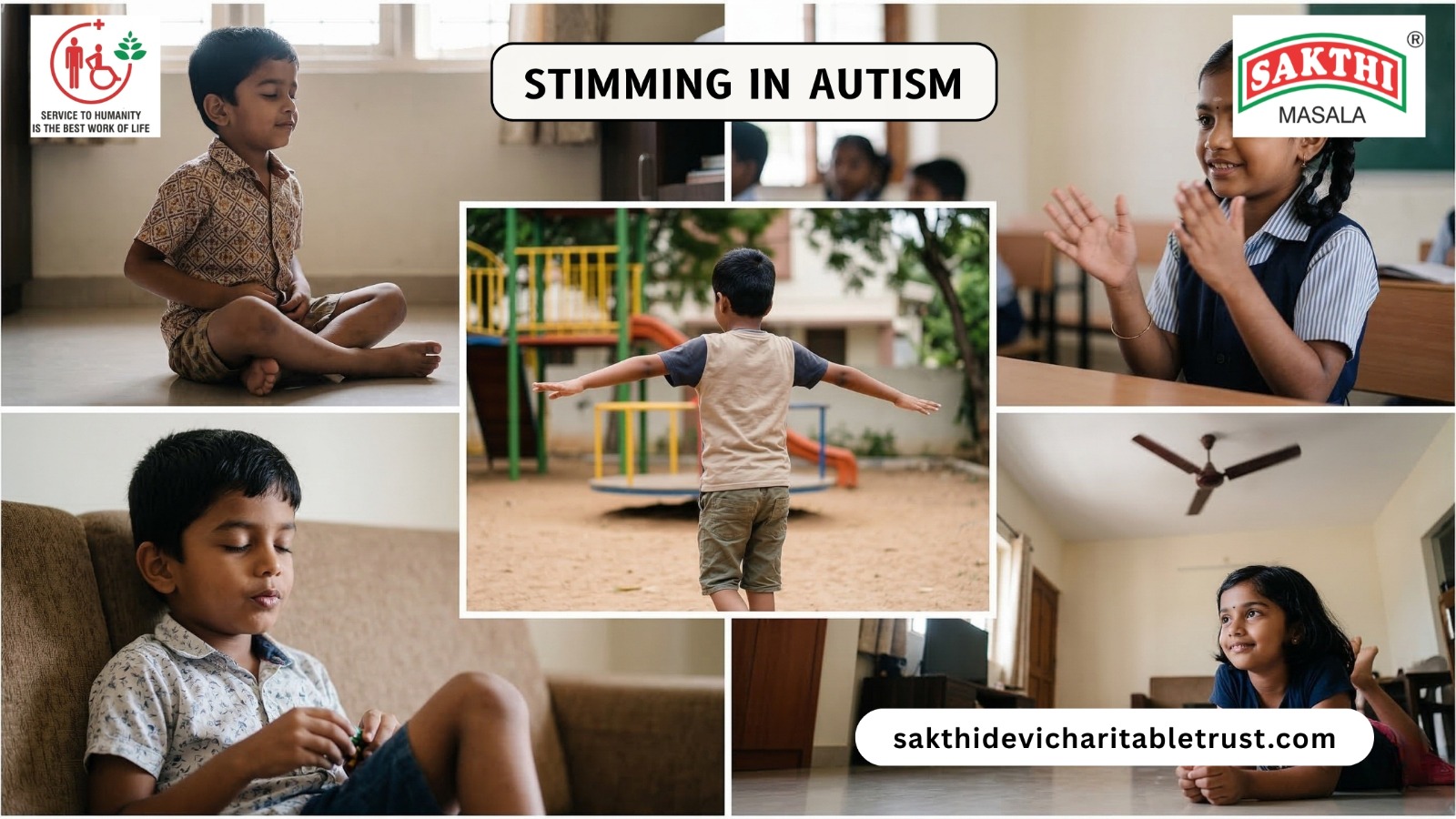
When parents first hear the word stimming in autism, it can sound scary, but it is simply a short form for “self-stimulatory behaviour.” Many autistic children repeat certain movements or sounds to calm themselves, express feelings or handle strong sensory input.
What does stimming mean?
Stimming is any repeated action that the child does again and again because it feels good, safe or familiar.
- Rocking the body back and forth
- Flapping hands or flicking fingers
- Spinning, jumping or pacing up and down
- Repeating the same word, sound or sentence
- Looking closely at lights, fans or moving objects
For many children, these actions help them stay calm when they feel stressed, excited or overloaded.

Why do autistic children stim?
Parents often ask, “why do autistic children stim?” The reasons can be different for each child, but some common causes are:
- To manage big feelings like anxiety, anger or excitement
- To handle too much noise, light or crowd around them
- To get more sensory input when things feel “too quiet” inside
- To cope with pain, discomfort or sudden change in routine
So, stimming in autism is often a tool for self-control, not “bad behaviour.”
Common examples of stimming in autism
Understanding examples of stimming in autism makes it easier for parents to stay calm and respond with care.
- Hand flapping, finger flicking, body rocking
- Spinning in circles, toe-walking, jumping in one place
- Humming, repeating words or phrases, making the same sound
- Licking or smelling objects, chewing on clothes or toys
- Watching the same video clip or spinning object again and again
Some of these behaviours are safe and simply need understanding, not stopping.
When to worry about stimming
A key doubt for parents is when to worry about stimming and when to just allow it.
You should seek professional help if:
- The child hurts themselves (head-banging, biting, scratching)
- The behaviour is so strong that they cannot eat, sleep or learn
- Stimming puts them in danger (running into roads, climbing unsafe places)
- It leads to bullying or heavy distress in school or public places
In these cases, therapists can help make the environment safer and teach other ways to cope, while still respecting the child’s needs.

How Sakthidevi Charitable Trust can help
If you are in and around Erode and feel confused about stimming in autism, you do not have to handle it alone. At Sakthidevi Charitable Trust’s special schools and rehabilitation services, trained teachers and therapists guide parents to understand stimming, support children safely and build better daily routines through education, therapy and family counselling.
To learn more or get support for your child, contact Sakthidevi Charitable Trust in Erode, today and take the next gentle step in your journey with stimming in autism.

 ADDRESS
  Phone Number
 EMAIL ID
Leave a Reply