

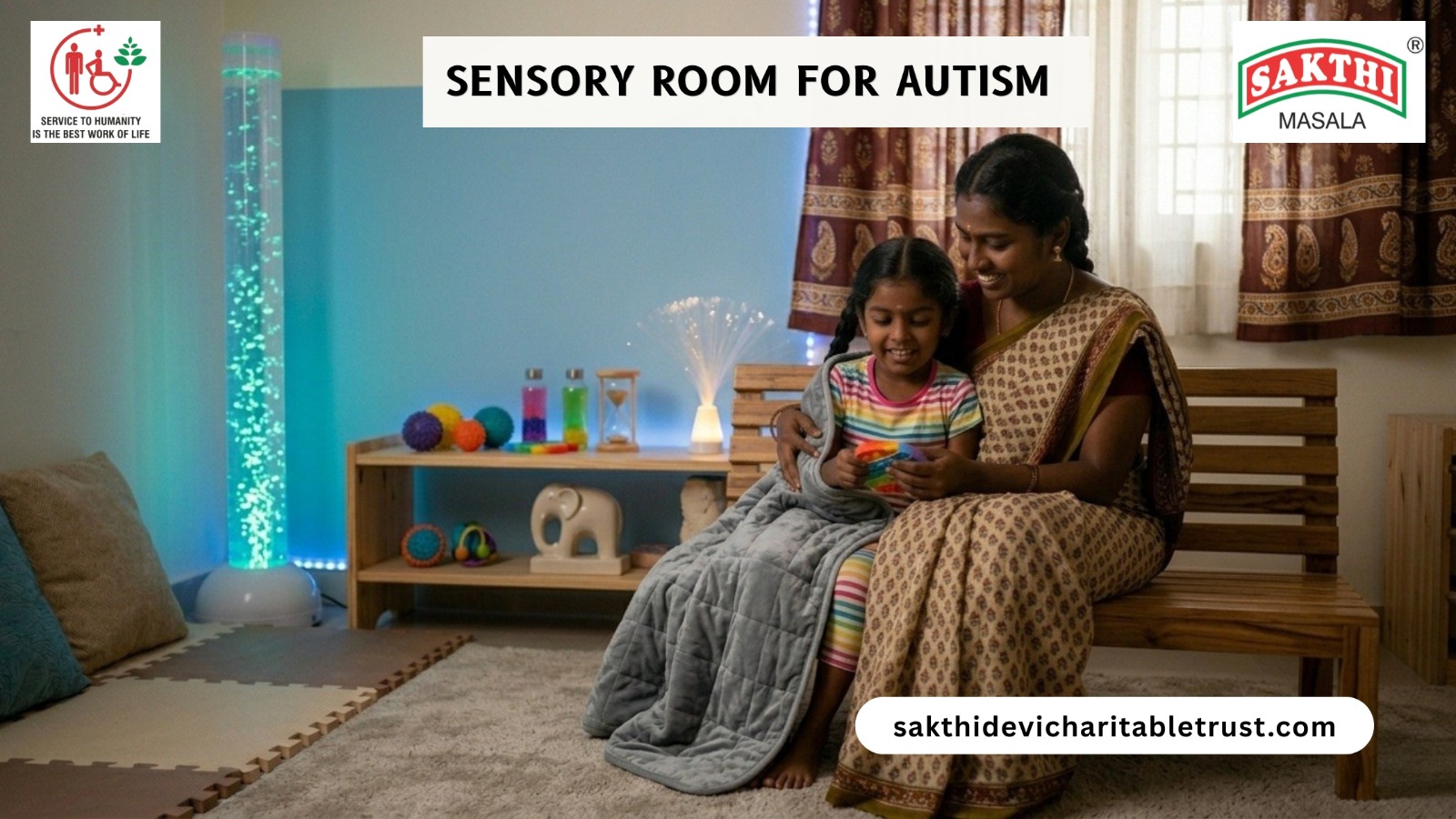
How to Create a Sensory Room for Autism at Home: Calming Ideas, Setup Guide & Essential Items
Every child needs a space where they feel safe, calm, and understood. For children with autism, this need becomes even more important. A thoughtfully designed sensory room for autism at home can help manage emotions, reduce stress, and create a sense of comfort in daily life. The good news is you don’t need a big budget or a separate room to make it work.
Understanding What a Sensory Room Does
A sensory room is not just a decorated space. It is carefully designed to control how a child experiences light, sound, touch, and movement.
Some children need calming input, while others may need gentle stimulation. That is why there is no “one perfect setup.” Instead, you build the space based on your child’s behavior and comfort.
If you want to understand these behaviours better, you can read our detailed guide on How Sensory Issues Affect Children with Autism: Colours, Stimming and Calming Room Ideas.
Why It Makes a Real Difference
Many parents start exploring autism sensory room ideas after noticing frequent meltdowns or restlessness. That’s a signal-not a problem.
A proper sensory setup can:
- Help the child relax during overwhelming moments
- Improve attention span slowly
- Reduce anxiety without force
- Create a predictable and safe environment
This is not a luxury addition. It’s a practical support system.
Sensory Room for Autism: How to Plan It Right
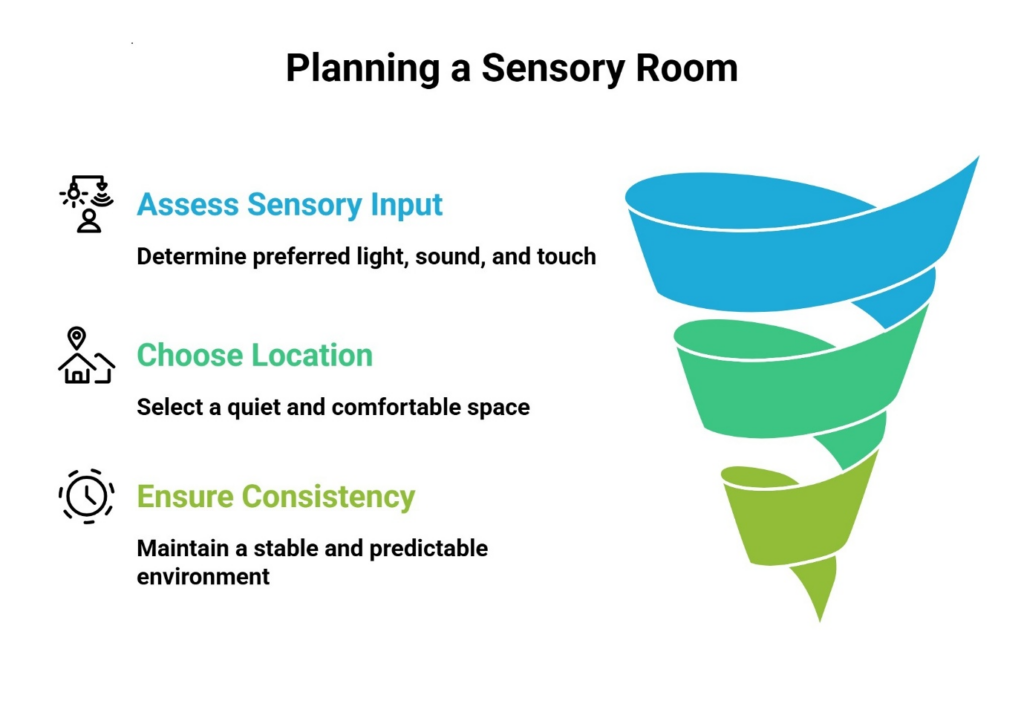
Start simple. Don’t rush into buying items.
- First, observe your child:
- Do they enjoy silence or soft music?
- Do bright lights irritate them?
- Do they like being wrapped or prefer open space?
Choose a quiet corner in your house. It could be a small part of a bedroom or even a separated area in the hall. What matters is not size—it’s consistency and comfort.
Choosing the Right Items (Without Overdoing It)
When it comes to sensory room items for autism, most people make one mistake—they overfill the space.
You only need a few effective items to begin with:
- A soft seating option like a bean bag or floor cushion
- Weighted blanket for calming pressure
- Soft lighting like LED strips or dim lamps
Now, if your child enjoys interaction, you can slowly add:
- Fidget toys
- Textured mats
- Visual elements like bubble tubes or lava lamps
Keep testing what works. Remove what doesn’t.
Setting Up the Space the Right Way
This is where most people mess up. They focus on buying but ignore arrangement.
Keep the room:
- Clean and distraction-free
- Low in noise
- Soft in lighting
Avoid mixing too many colors or patterns. The goal is not to entertain it is to calm.
In the middle of your process, remind yourself again: a sensory room for autism should feel safe, not crowded.
Mistakes That Will Ruin the Purpose
Let’s be blunt many setups fail because of poor decisions.
Avoid this:
- Turning the room into a toy zone
- Adding loud or flashing lights
- Forcing the child to use the space
- Copying setups from the internet blindly
Your child’s response matters more than any trend.
Creating Impact That Matters
At the end of the day, a sensory room for autism is not about perfection it is about creating a space where your child feels understood without words. Start small, stay patient, and build based on real needs, not assumptions. If you have been waiting for the right time, stop waiting and begin with simple changes that can make a real difference
Sakthidevi Charitable Trust works towards supporting children with special needs through awareness and care, and by being a part of Sakthidevi Charitable efforts, you can help create better, more supportive environments for children who truly need it.

Leave a Reply