

Choosing the Best Trees for Tree Plantation Projects in Urban and Rural Areas
Planting trees is meaningful only when the right species are chosen for the right place. Knowing the best trees for tree plantation projects helps you avoid wasted effort, poor survival, and future problems like broken roots or damaged walls. When you match each tree to the local climate, space, and purpose, your plantation can support people, birds, and soil for many years.
Why Species Choice Matters
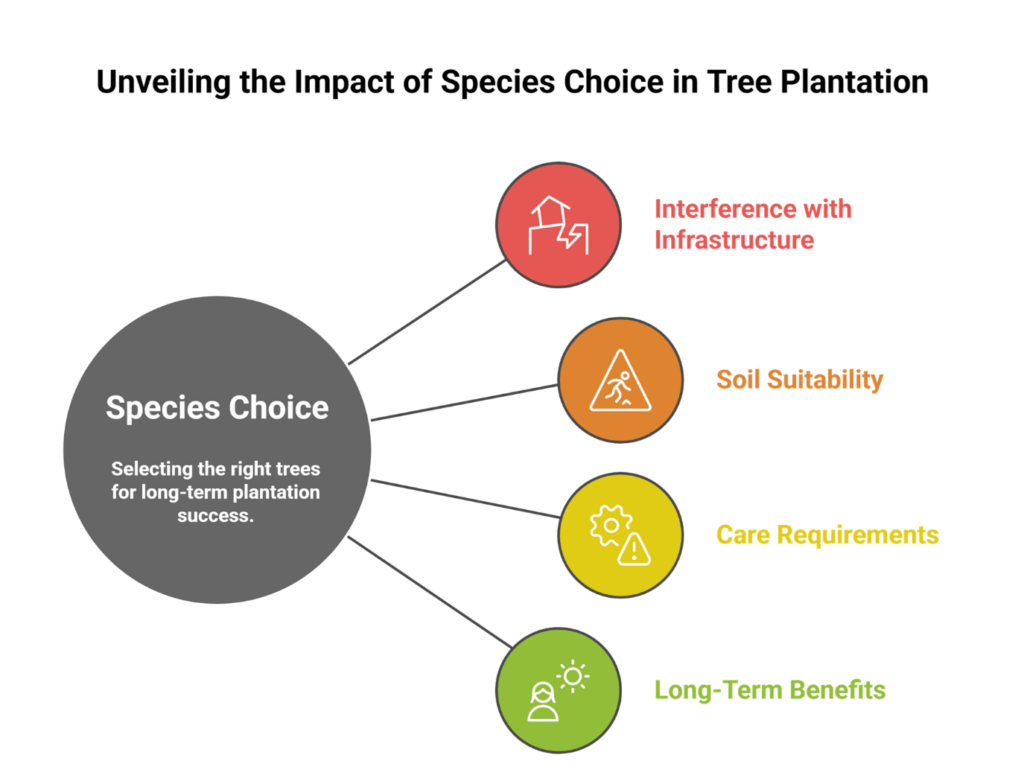
Before selecting the best trees for tree plantation projects, it is important to think about long-term growth. A sapling that looks small today will one day be tall, wide, and deep-rooted. Wrong choices can:
- Interfere with buildings, wires, or pipelines
- Fail in very dry or waterlogged soil
- Require more care than the community can give
Right choices, on the other hand, stay healthy with simple care and offer shade, beauty, and shelter for many years.
Understanding Urban vs Rural Needs
Urban and rural areas do not need the same type of trees. In towns and cities, space is limited and the risk of root damage or branch falling is higher. In rural areas, there may be more open land, but water availability can be low.
Think about:
- Urban: narrow roadsides, school campuses, small parks, footpaths
- Rural: field borders, village commons, pond bunds, temple lands
This difference will shape what you call the best trees for tree plantation projects in each setting.
Key Points for Urban Tree Selection
In urban locations, trees should be:
- Medium-sized, with non-aggressive roots
- Less likely to drop heavy branches
- Suitable for partial or full sun
- Able to handle pollution and dust
Also remember:
- Avoid trees with very wide buttress roots near compound walls
- Leave enough space from cables and buildings
- Plan for future pruning access if needed
Key Points for Rural Tree Selection
Rural projects can host more diverse and larger species. When you think of the best trees for tree plantation projects in villages or small towns, consider:
- Native trees that are already known to local people
- Species that can handle dry months and occasional heavy rains
- Trees that support birds, shade for people, or soil protection
Rural areas also allow planting along field borders and roads, which can create green corridors over time.
Mix of Functions in Any Plantation
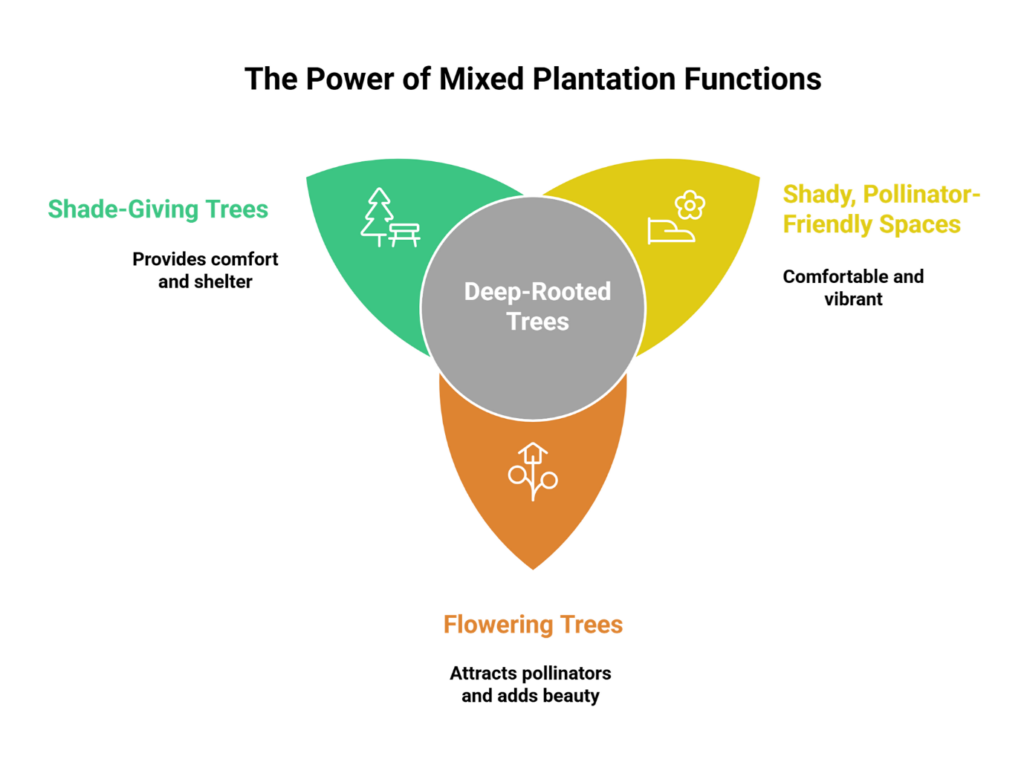
Every plantation benefits from a mix of roles. Try combining:
- Shade-giving trees for people and animals
- Flowering trees that support pollinators
- Deep-rooted trees to hold soil near slopes or water bodies
A mixed design reduces risk: if one species fails, others still stand. It also makes the place more beautiful and balanced.
Plan, Plant and Protect
Choosing the best trees for tree plantation projects is the first step; the next steps are planting correctly and protecting saplings in the first few years. Through initiatives like the Thalir programme, Sakthidevi Charitable Trust has shown how free native saplings, careful species selection and local follow-up teams can turn plantations into lasting green spaces across Erode district. With the same thoughtful approach in your own area, inspired by Thalir’s model of planning, planting and nurturing, your urban or rural plantation can also grow into a healthy green belt that serves people and nature for many years

Leave a Reply