


Tree Plantation in Schools: Why Every School Curriculum Should Include It?
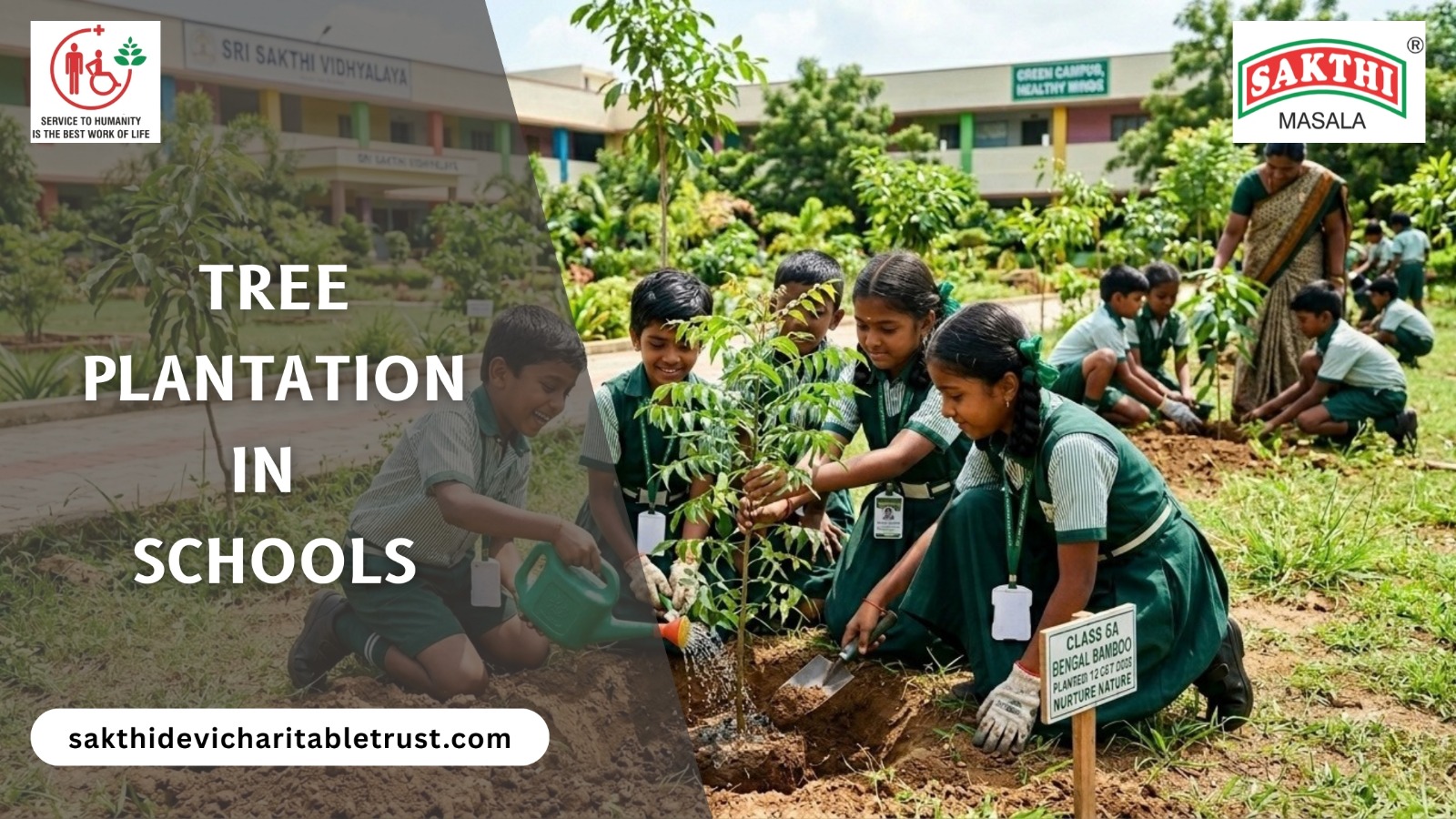
Planting a sapling may look like a small act, but in a school it can change how children see nature, learning and responsibility. When tree plantation in schools becomes a regular part of activities, students do not just hear about the environment, they touch it, water it and watch it grow.
Why Tree Plantation Belongs in Every Curriculum?
Many schools talk about saving the earth, but only a few turn those lessons into daily practice. Adding tree plantation in school curriculum makes climate change, clean air and water conservation easy to understand.
Students do not just read “trees give oxygen”; they plant one, water it and see the change over time.
Learning Benefits of Tree Plantation in Schools
When children plant and care for trees, school becomes a living science lab. They observe roots, leaves, insects and soil instead of only seeing pictures.
Teachers can link school tree planting activities to:
- Science: photosynthesis, habitats, rainfall patterns
- Maths: measuring height, counting leaves, tracking growth
- Language: writing essays, poems and speeches about their trees
These hands-on tasks improve memory, curiosity and problem solving.
How Tree Plantation Builds Values and Life Skills?
Tree care teaches quiet but strong values. Students learn patience because trees take time to grow. They understand responsibility when a sapling dries up if they forget to water it. Working in small groups around a tree builds teamwork and respect for others’ ideas. Over months, they begin to see themselves as protectors, not just users, of nature.
Common Mistakes Schools Should Avoid
Even good ideas can go wrong without planning. Some common mistakes are:
- Planting too many saplings without a water plan
- Choosing species that do not suit local climate
- Treating it as a one-day event only for photos
- Not involving students in long-term care
Avoiding these helps tree plantation in schools become a strong habit instead of a one-time activity.
Also Read: Choosing the Best Trees for Tree Plantation Projects in Urban and Rural Areas
Simple Ways to Add Tree Plantation to Daily School Life
Schools do not need big budgets to do this well. They can:
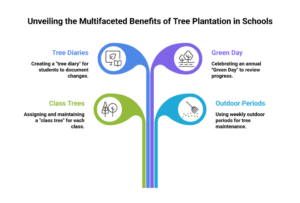
- Assign and maintain a “class tree” for every class
- Use weekly outdoor periods for weeding, mulching and measuring
- Make a basic “tree diary” in which students can document the changes
- Celebrate an annual “Green Day” to review progress
These small steps slowly turn the campus into a green classroom.
Research on Students’ Participation in Tree Planting Activity: Promoting the 21st Century Environmental Education highlights that involving students in tree planting activities helps strengthen environmental awareness and encourages long-term responsibility toward nature.
Sakthidevi Charitable Trust: Turning Tree Lessons into Action
In and around Erode, Sakthidevi Charitable Trust already shows how tree plantation in schools can be part of real life, not just school plans. Through its Thalir Free Tree Plantation Program, the Trust raises strong saplings, guides schools on where to plant them and encourages children to protect each tree as their own.
If your school wants to make tree plantation in school curriculum a steady practice, exploring Sakthidevi Charitable Trust’s tree plantation drives, event checklists and recognition programmes is a practical next step that helps students learn, care and grow along with their trees.

 ADDRESS
  Phone Number
 EMAIL ID
Leave a Reply